Mold Treatment or Full Remediation: Choosing the Right Approach for Your Home
Mold in carpeting is more than an eyesore. It signals moisture trapped in the fibers and the backing, often leading to musty smells, visible staining, and potential health concerns for anyone spending time in the room. When you notice mold growing on your carpet, you face a decision: can a simple treatment solve the problem, or does the situation call for full remediation? The answer depends on how deep the moisture has penetrated and how much of the carpet system is affected.
Understanding the difference between surface-level mold treatment and complete remediation starts with knowing what mold needs to thrive. Mold spores are everywhere. They only become a problem when they land on a damp surface and begin feeding on organic material. Carpet fibers, along with the dust and dirt trapped in them, provide plenty of food. If the moisture source is minor and caught early, treating the surface may be enough. If the moisture has soaked into the padding or the subfloor, the mold has likely spread beyond what cleaning can reach.
What Surface Mold Treatment Involves
Surface mold treatment means cleaning the visible mold from the carpet fibers using specialized cleaning agents and equipment. This approach works best when the mold growth is confined to a small area, the carpet is still in good condition, and the underlying padding and subfloor have stayed dry. Professionals typically apply an antimicrobial solution, agitate the fibers, and extract the moisture with a powerful vacuum. The goal is to remove the visible mold and kill any remaining spores on the surface.
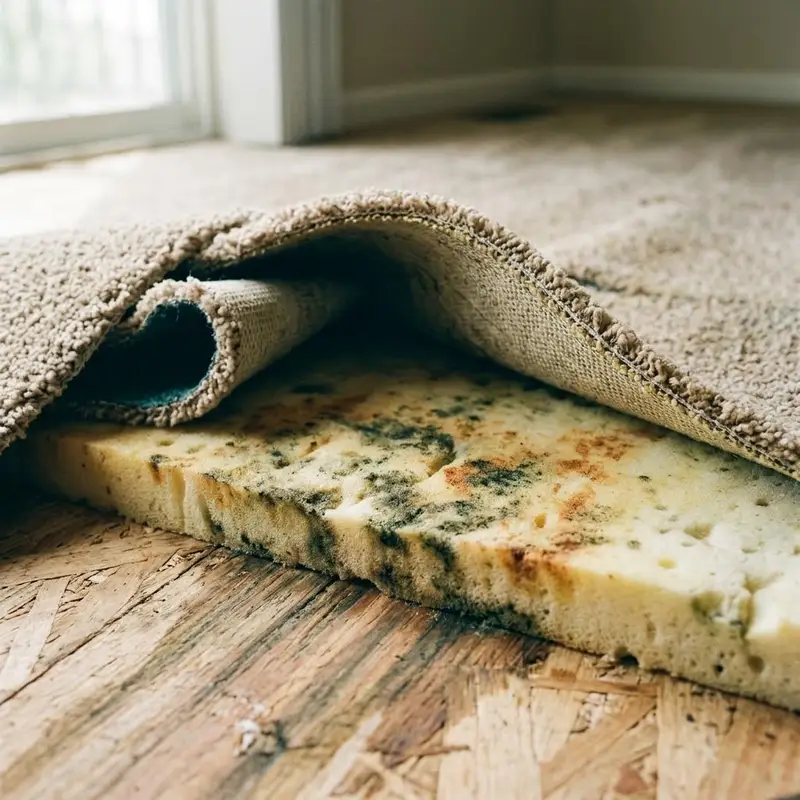
Surface treatment is a reasonable first step when you catch the problem quickly. For instance, a small spill that was not dried properly might develop a patch of mold within a day or two. At that stage, the mold has not had time to work its way deep into the carpet. A thorough cleaning by a professional who understands how to treat mold on carpet can often restore the area without removing the carpet. However, surface treatment has limits. It cannot fix mold that has grown into the padding or the subfloor, and it will not address the source of moisture. If the mold returns after a surface treatment, the underlying issue remains.
When Full Remediation Is Necessary
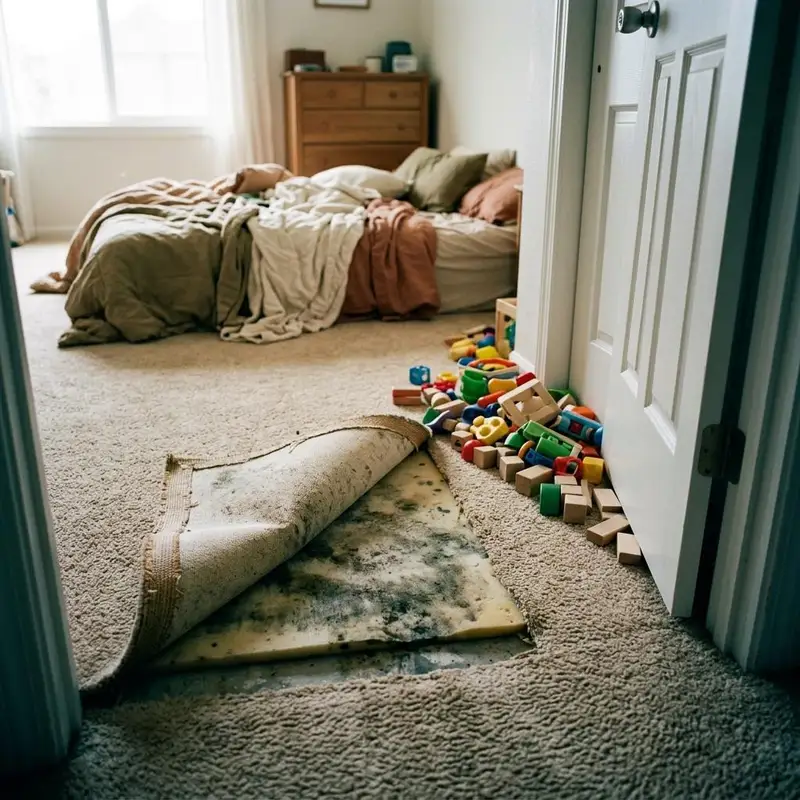
Full remediation goes beyond cleaning. It involves identifying and removing all contaminated materials, drying the structure, and addressing the moisture source that allowed mold to grow in the first place. This process may include pulling up the carpet and padding, inspecting the subfloor for rot or mold growth, and treating or replacing damaged wood or concrete. After the contaminated materials are removed, the area is dried thoroughly, often with commercial air movers and dehumidifiers. Only then is new carpet or another flooring option installed.
Full remediation is the right choice when mold has spread beyond a small patch or when the carpet has been wet for an extended period. If you notice a musty smell throughout the room, visible mold on walls or baseboards, or if someone in the home has respiratory symptoms that improve when they leave the room, the mold problem is likely larger than a surface treatment can handle. In these cases, trying to clean the carpet without removing it can leave mold hidden in the padding, where it continues to release spores into the air.
Indoor air quality testing can help determine whether surface treatment is sufficient or if full remediation is needed. Testing measures the concentration of mold spores in the air and identifies the types of mold present. If the test shows high spore counts compared to outdoor air, or if it finds species known to cause allergic reactions, that is a strong sign that mold has become airborne and is affecting the indoor environment. The results of indoor air quality testing give you objective information rather than guesswork. Carpet Mold Removal Services Pros often recommend testing before deciding on a course of action, because the data helps match the solution to the actual problem.
One of the most common mistakes homeowners make is assuming that a visible patch of mold is the whole problem. Mold can grow underneath carpet, in the padding, and along the edges of the room where moisture wicks up from the subfloor. By the time you see mold on the surface, the colony underneath may be much larger. A professional inspection that includes lifting a corner of the carpet and checking the padding can reveal the true extent of the growth. Carpet Mold Removal Services Pros have the experience to recognize these hidden signs and recommend the appropriate level of work.
For reliable guidance on this decision, many homeowners turn to resources like carpetmoldremovalservices.com to understand the differences between treatment and full remediation. The site provides practical information on moisture identification, material removal, structural drying, and improving indoor air quality after mold problems. By reading about real scenarios and professional approaches, you can better judge which option applies to your situation.
Key Factors That Influence the Decision
Several factors help determine whether surface treatment or full remediation is the better choice:
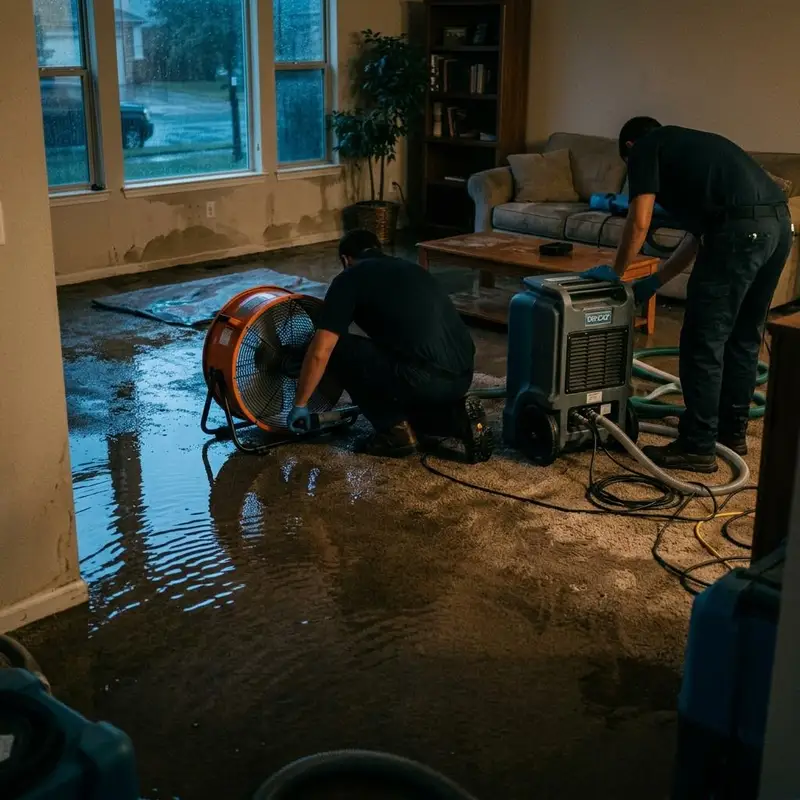
- Duration of moisture exposure. If the carpet has been wet for more than 48 hours, mold has likely penetrated the padding. Surface treatment cannot reach that depth.
- Size of the affected area. A small patch under a plant pot may respond to treatment. Mold covering more than a few square feet usually requires remediation.
- Type of carpet and padding. Thick, plush carpet with dense padding holds moisture longer and is harder to dry completely.
- Presence of health symptoms. If occupants experience allergic reactions, headaches, or respiratory issues, the mold is likely airborne, and removal of contaminated materials is needed.
- Underlying moisture source. A leaky pipe, poor drainage, or high humidity must be fixed, or the mold will return regardless of the cleaning method.
Each factor on its own may not decide the case, but taken together they paint a clear picture. If you are unsure, it is wise to have a professional assess the situation before proceeding. A misjudgment can lead to wasted time and money on a treatment that does not solve the root problem.
The Role of Moisture Control in Both Approaches
Whether you opt for surface treatment or full remediation, controlling moisture is essential. Without addressing the source of dampness, any solution is temporary. For surface treatment, you must ensure the area dries quickly after cleaning and remains dry going forward. For full remediation, the drying phase is a critical step before any new flooring is installed. Professionals use moisture meters to verify that wood and concrete have returned to acceptable levels before closing up the floor.
Moisture control also involves looking beyond the carpet. Humidity levels in the home affect how quickly mold can grow. Using dehumidifiers in damp basements, fixing plumbing leaks promptly, and improving ventilation in bathrooms and kitchens all reduce the chance of mold returning. Indoor air quality testing after remediation can confirm that spore levels have dropped to normal, giving you confidence that the space is safe.
When to Call for Professional Help
Some homeowners attempt to treat small mold spots themselves with store-bought cleaners. While this may work for tiny areas caught early, it is risky for larger or hidden problems. DIY cleaning often misses the mold in the padding and can spread spores into the air if not done carefully. Professionals have the equipment to contain the area, filter the air during cleaning, and dry the carpet thoroughly. They also know how to inspect for hidden moisture damage that might not be visible from the surface.
If you are uncertain whether the mold in your carpet is a surface issue or a deeper problem, a professional inspection combined with indoor air quality testing can provide the answers. Carpet Mold Removal Services Pros can evaluate the extent of moisture damage and recommend the most effective approach. Trying to save money by skipping the inspection can lead to repeated mold problems and higher costs later.
Making the Final Choice
Choosing between mold treatment and full remediation comes down to the severity of the problem and how early it is caught. A small, recent spill that has not soaked through the carpet may respond to professional cleaning. A long-term moisture issue, especially one that has affected the padding or subfloor, requires removing and replacing the contaminated materials. Indoor air quality testing offers a reliable way to confirm which situation you are dealing with. By measuring the actual spore levels in the air, you remove the guesswork and can proceed with confidence.
For those seeking more information on how to handle mold in carpets, carpetmoldremovalservices.com provides a thorough look at the options available. Understanding the full scope of the problem before acting ensures that your solution addresses both the visible mold and the hidden conditions that allow it to thrive. The right approach protects your home, your health, and your peace of mind.